WHY CHOOSE TANKLESS?
Timothy Jennings, MP • April 23, 2026
TANKLESS WATER HEATER INFORMATION THAT CAN HELP YOU DECIDE IF YOU WANT TO SWITCH
If you are tired of playing "hot water roulette" in the shower, it might be time to reconsider how your home heats water. Traditional tank water heaters have been the standard for decades, but tankless (on-demand) systems are rapidly changing the game, offering superior efficiency, endless hot water, and a smaller footprint.
While the upfront cost is higher, the long-term benefits of upgrading make it a smarter, more sustainable choice for many modern homes. Here is why tankless water heaters are considered better.
1. Endless, On-Demand Hot Water
The most significant benefit of a tankless water heater is that you will never run out of hot water again. Because these units heat water only when you turn on the tap, they provide a continuous flow, making them ideal for large families or households with high, simultaneous water usage. Instead of waiting for a 50-gallon tank to reheat, you can enjoy back-to-back showers, run the dishwasher, and wash clothes at the same time without the water going cold.
2. Superior Energy Efficiency and Lower Bills
Conventional water heaters constantly keep a large tank of water hot, leading to "standby heat loss"—energy wasted 24/7. Tankless units eliminate this issue by heating water only on demand. According to the U.S. Department of Energy, this can make tankless water heaters 24%–34% more energy-efficient than traditional storage tank heaters. ENERGY STAR-qualified tankless models can save a family of four an average of $100 per year, or $1,800 over its lifetime, on gas bills compared to a standard gas storage model.
3. Significant Space Savings
Traditional water heaters are bulky, often occupying a large corner of a basement, garage, or utility room. Tankless models are remarkably compact—typically about the size of a small suitcase—and are mounted directly onto a wall. This frees up valuable floor space, allowing you to reclaim space in your laundry room or closet.
4. Longer Lifespan and Durability
Because they don't store water, tankless systems are less susceptible to rust, corrosion, and sediment buildup, which are common reasons for failure in traditional tanks. While a standard tank water heater typically lasts 6 to 12 years, a tankless water heater can last up to 20 years or more with proper maintenance.
5. Cleaner Water and Improved Safety
When you use a tankless heater, you are enjoying fresh, clean water that hasn't been sitting and stagnating in a rust-prone tank for days. They also reduce the risk of catastrophic tank failure, which can lead to thousands of dollars in water damage to your home.
Is a Tankless System Right for You?
While the upfront investment is higher than a standard tank unit, the combination of energy savings, long-term durability, and convenience makes it a superior option for most modern households.
If you are looking for endless hot water, lower utility bills, and more space, making the switch to a tankless water heater is a smart, lasting investment.
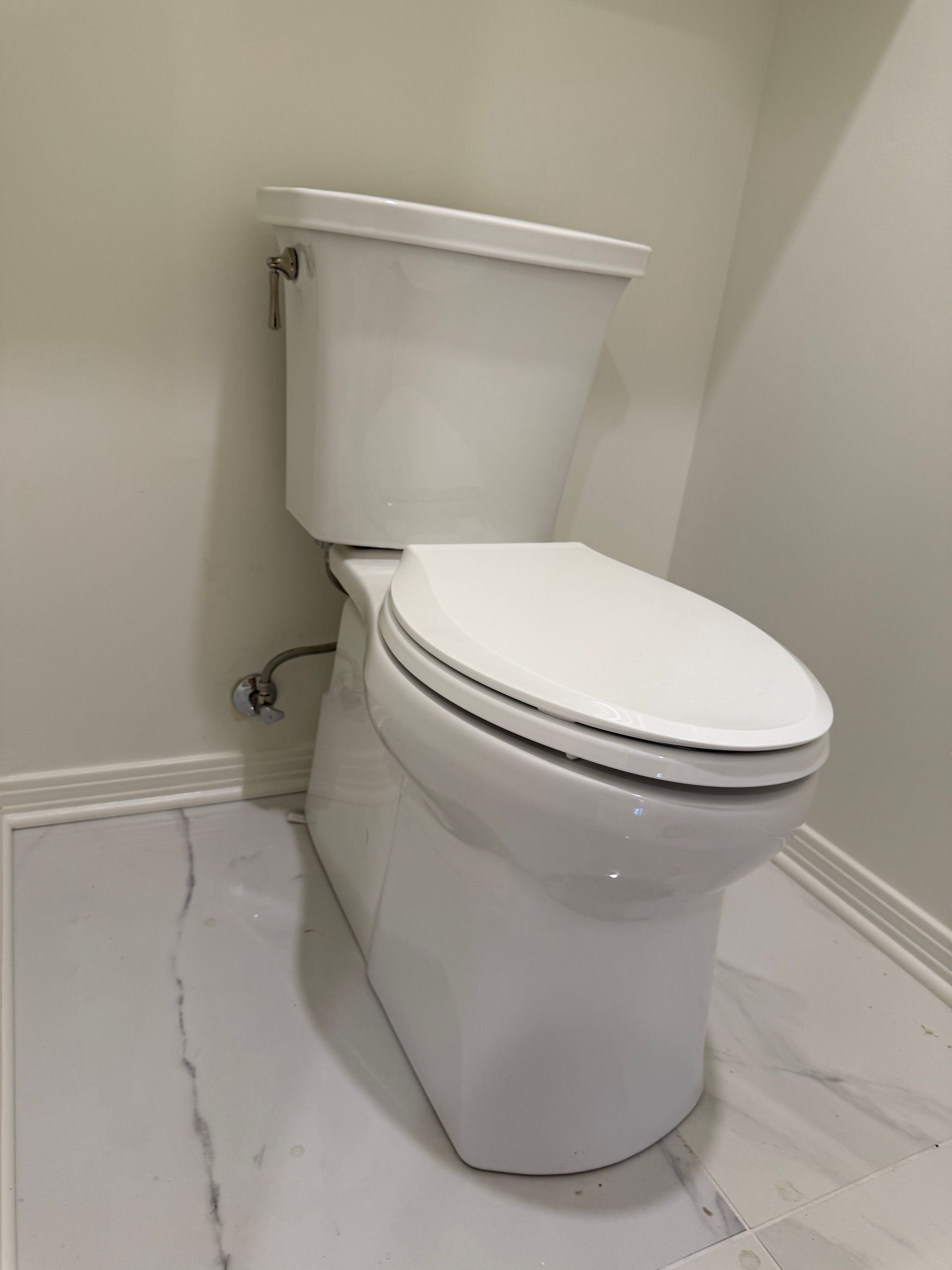
Stop the Madness: How to Fix a Running Toilet (Before It Drives You Insane) That sound. That relentless, soul-sapping trickle coming from your bathroom at 2 a.m. Your toilet is running, and unlike your ex, this one you can actually fix. You've tried the classic remedies. You've jiggled the handle. You've given it a stern look. You've closed the bathroom door so you can't hear it. None of it worked. The toilet continues its one-note symphony, indifferent to your suffering and quietly inflating your water bill. Here's the good news: a running toilet is almost always one of three simple problems, and fixing any of them requires nothing more than basic hardware-store supplies, a dry towel, and a willingness to put your hand in a tank of water. It's cleaner in there than you think. Probably. Step One: Lift the Lid and Face Your Fears Remove the tank lid — that heavy ceramic slab on the back of your toilet — and set it somewhere you won't step on it, because replacing it costs more than this entire repair. Peer inside. Congratulations. You are now a plumber. What you're looking at is a surprisingly simple contraption: a float, a flapper, and a fill valve. These three parts have been doing their jobs faithfully for decades, and one of them has finally given up. Your job is to figure out which one is the culprit. A good diagnostic trick: put a few drops of food coloring in the tank and wait ten minutes without flushing. If color appears in the bowl, your flapper is leaking. If the tank keeps filling and water is spilling into the overflow tube, your float is the problem. If water is running constantly and loudly, your fill valve has seen better days. Step Two: The Flapper (Most Likely Suspect) The flapper is the rubber seal at the bottom of the tank that lifts when you flush and drops back down to hold water. Over time, it warps, hardens, or accumulates mineral buildup — essentially becoming the plumbing equivalent of a bad seal on a Tupperware lid. Turn off the water supply valve (the little knob behind and below the toilet — righty-tighty), flush to drain the tank, and unhook the old flapper from the two pegs on either side of the flush valve. Take it to the hardware store, match it up, buy its replacement for about four dollars, and snap the new one on. Turn the water back on. Listen. Silence. Feel the quiet pride of a person who has fixed something with their hands. Step Three: The Float (The Diva of the Tank) The float is exactly what it sounds like — a buoyant device that rises with the water level and signals the fill valve to shut off when the tank is full. If it's set too high, water keeps running into the overflow tube indefinitely. Your toilet is essentially a bathtub that never stops filling. Older toilets have a ball float — a rubber balloon on a metal arm that looks like it belongs in a 1950s science classroom. Bend the arm gently downward, or turn the adjustment screw, to lower the water level about an inch below the top of the overflow tube. Newer toilets have a cup float that slides up and down the fill valve shaft. Pinch the clip, slide it down, done. The water should now stop at a civilized level, like a well-behaved houseguest. Step Four: The Fill Valve (The Nuclear Option) If the float and flapper are both fine and your toilet is still running, the fill valve itself has failed. This sounds scarier than it is. A universal fill valve costs about ten dollars and takes twenty minutes to replace. Shut off the water, flush and sponge out any remaining water in the tank, then disconnect the water supply line and unscrew the fill valve locknut from underneath the tank. Pull out the old valve, drop in the new one, reconnect everything, and turn the water back on. Adjust the float height per the instructions in the box. At this point you are, officially, a person who has replaced plumbing hardware. Put it on your résumé. Tell your friends. The Moment of Truth With your repair complete, flush the toilet and watch the tank refill. The water should rise, reach the marked line, and stop. No trickling. No phantom hissing. No mysterious overnight water usage appearing on your bill next month. If it's still running, you may have two problems happening simultaneously, which is rare but not unheard of. Go through each step again, or at this point, call a plumber with your head held high — you diagnosed the issue, you tried the fix, and some toilets are just drama. But honestly? It probably worked. And that little trickle that's been tormenting you for weeks is finally, blissfully, gone. Now go jiggle someone else's handle. Total cost: $4–$15 and about 20 minutes. Total satisfaction: immeasurable.
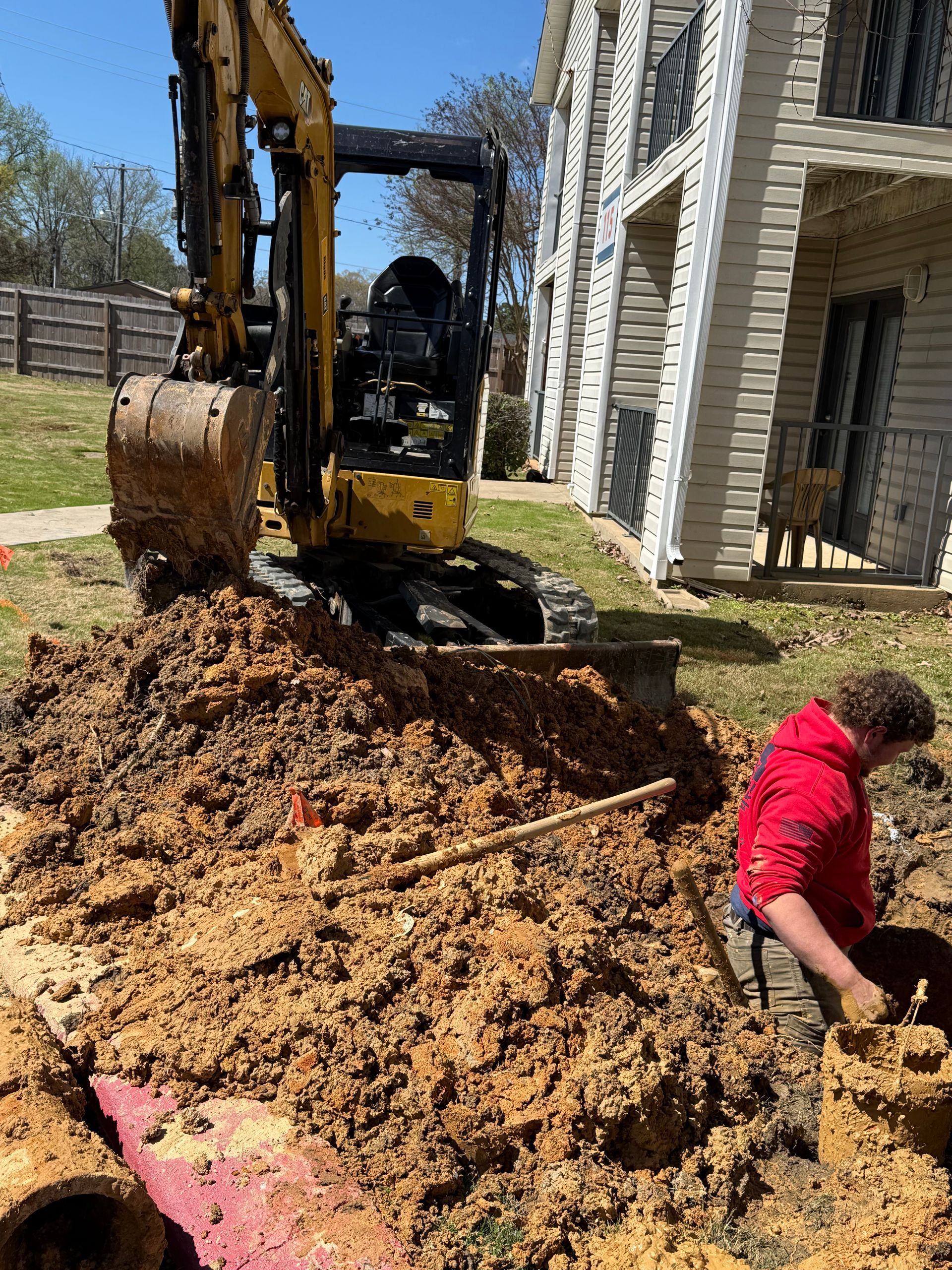
5 TYPES OF LEAKS AND HOW TO IDENTIFY THEM
You might also like
Stop the Madness: How to Fix a Running Toilet (Before It Drives You Insane) That sound. That relentless, soul-sapping trickle coming from your bathroom at 2 a.m. Your toilet is running, and unlike your ex, this one you can actually fix. You've tried the classic remedies. You've jiggled the handle. You've given it a stern look. You've closed the bathroom door so you can't hear it. None of it worked. The toilet continues its one-note symphony, indifferent to your suffering and quietly inflating your water bill. Here's the good news: a running toilet is almost always one of three simple problems, and fixing any of them requires nothing more than basic hardware-store supplies, a dry towel, and a willingness to put your hand in a tank of water. It's cleaner in there than you think. Probably. Step One: Lift the Lid and Face Your Fears Remove the tank lid — that heavy ceramic slab on the back of your toilet — and set it somewhere you won't step on it, because replacing it costs more than this entire repair. Peer inside. Congratulations. You are now a plumber. What you're looking at is a surprisingly simple contraption: a float, a flapper, and a fill valve. These three parts have been doing their jobs faithfully for decades, and one of them has finally given up. Your job is to figure out which one is the culprit. A good diagnostic trick: put a few drops of food coloring in the tank and wait ten minutes without flushing. If color appears in the bowl, your flapper is leaking. If the tank keeps filling and water is spilling into the overflow tube, your float is the problem. If water is running constantly and loudly, your fill valve has seen better days. Step Two: The Flapper (Most Likely Suspect) The flapper is the rubber seal at the bottom of the tank that lifts when you flush and drops back down to hold water. Over time, it warps, hardens, or accumulates mineral buildup — essentially becoming the plumbing equivalent of a bad seal on a Tupperware lid. Turn off the water supply valve (the little knob behind and below the toilet — righty-tighty), flush to drain the tank, and unhook the old flapper from the two pegs on either side of the flush valve. Take it to the hardware store, match it up, buy its replacement for about four dollars, and snap the new one on. Turn the water back on. Listen. Silence. Feel the quiet pride of a person who has fixed something with their hands. Step Three: The Float (The Diva of the Tank) The float is exactly what it sounds like — a buoyant device that rises with the water level and signals the fill valve to shut off when the tank is full. If it's set too high, water keeps running into the overflow tube indefinitely. Your toilet is essentially a bathtub that never stops filling. Older toilets have a ball float — a rubber balloon on a metal arm that looks like it belongs in a 1950s science classroom. Bend the arm gently downward, or turn the adjustment screw, to lower the water level about an inch below the top of the overflow tube. Newer toilets have a cup float that slides up and down the fill valve shaft. Pinch the clip, slide it down, done. The water should now stop at a civilized level, like a well-behaved houseguest. Step Four: The Fill Valve (The Nuclear Option) If the float and flapper are both fine and your toilet is still running, the fill valve itself has failed. This sounds scarier than it is. A universal fill valve costs about ten dollars and takes twenty minutes to replace. Shut off the water, flush and sponge out any remaining water in the tank, then disconnect the water supply line and unscrew the fill valve locknut from underneath the tank. Pull out the old valve, drop in the new one, reconnect everything, and turn the water back on. Adjust the float height per the instructions in the box. At this point you are, officially, a person who has replaced plumbing hardware. Put it on your résumé. Tell your friends. The Moment of Truth With your repair complete, flush the toilet and watch the tank refill. The water should rise, reach the marked line, and stop. No trickling. No phantom hissing. No mysterious overnight water usage appearing on your bill next month. If it's still running, you may have two problems happening simultaneously, which is rare but not unheard of. Go through each step again, or at this point, call a plumber with your head held high — you diagnosed the issue, you tried the fix, and some toilets are just drama. But honestly? It probably worked. And that little trickle that's been tormenting you for weeks is finally, blissfully, gone. Now go jiggle someone else's handle. Total cost: $4–$15 and about 20 minutes. Total satisfaction: immeasurable.
5 TYPES OF LEAKS AND HOW TO IDENTIFY THEM